Blog's
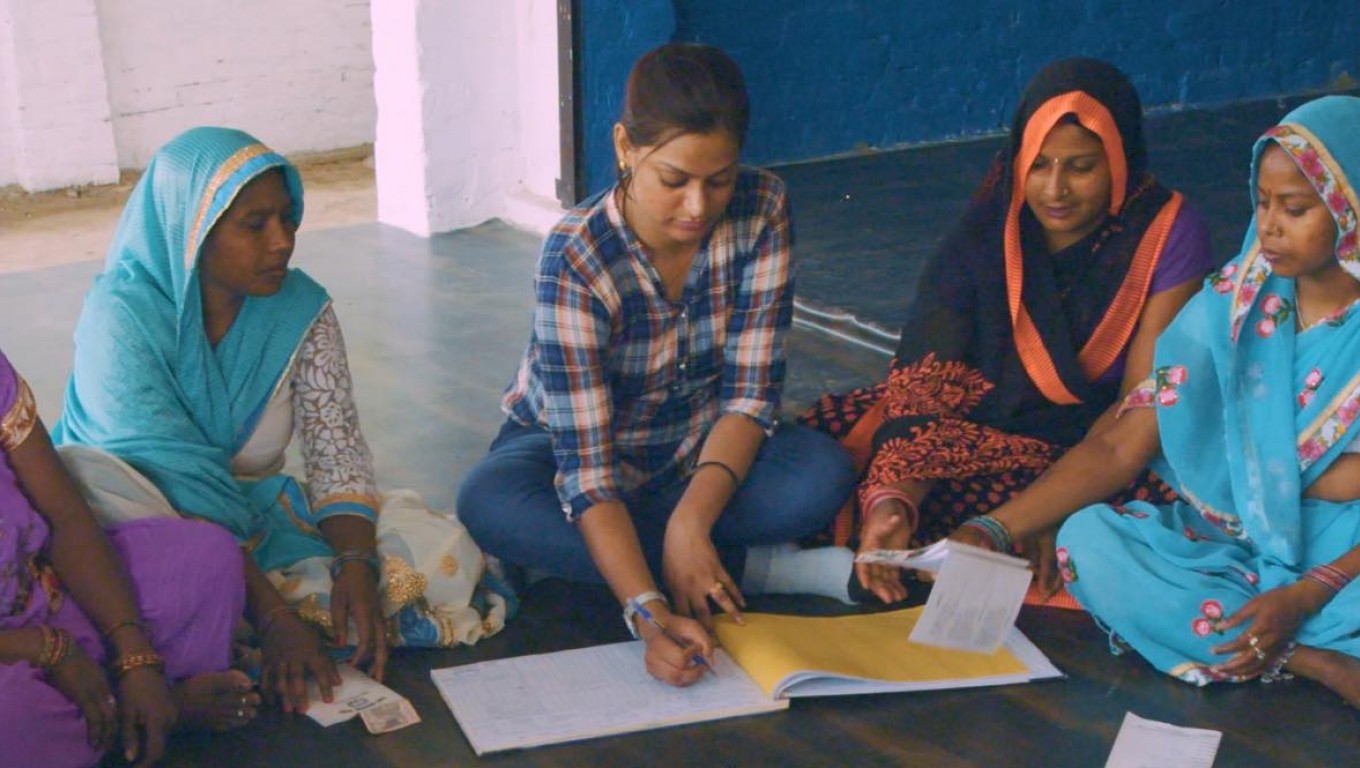
Empowering Women Through Education: A Cornerstone of NGO Initiatives
In the realm of social development, empowering women stands as a pivotal endeavor, fostering sustainable change and equitable progress within communities worldwide. Among the multifaceted approaches to empowerment, education emerges as a beacon of hope, illuminating paths toward self-reliance, gender equality, and community advancement. Within the framework of non-governmental organizations (NGOs), initiatives aimed at educating and uplifting women play a crucial role in catalyzing positive transformations.
At the heart of NGO efforts lies a fundamental recognition: education is not merely a privilege but a fundamental human right. Across the globe, millions of women continue to face barriers to accessing quality education, perpetuating cycles of poverty, inequality, and disenfranchisement. To address these challenges, NGOs deploy a spectrum of educational interventions tailored to the diverse needs of women and girls.
One cornerstone of NGO initiatives is the provision of formal education opportunities, including literacy programs, vocational training, and school scholarships. By equipping women with essential skills and knowledge, these programs empower them to pursue economic independence, secure employment, and contribute meaningfully to their communities. Moreover, education serves as a catalyst for breaking the intergenerational cycle of poverty, as educated women are more likely to prioritize their children's education, thus laying the foundation for future generations' success.
Beyond formal education, NGOs recognize the importance of holistic approaches that address the multifaceted barriers to women's empowerment. This entails initiatives that promote health and well-being, including reproductive health education, maternal care, and access to healthcare services. By ensuring women's physical and mental well-being, NGOs create enabling environments where women can fully participate in educational opportunities and decision-making processes.
Crucially, NGO interventions are not confined to the classroom but extend into communities, leveraging grassroots initiatives to foster social change. Through advocacy campaigns, awareness-raising activities, and community mobilization efforts, NGOs challenge discriminatory norms and attitudes that perpetuate gender inequality. By empowering women to become agents of change within their communities, NGOs amplify their voices, advocate for their rights, and catalyze transformative social movements.
In conclusion, empowering women through education stands as a cornerstone of NGO initiatives aimed at fostering gender equality and sustainable development. By investing in women's education, NGOs unlock the potential of individuals, families, and entire communities, paving the way for a more just, inclusive, and prosperous society. As we continue to champion the cause of women's empowerment, let us reaffirm our commitment to education as a powerful tool for change, empowerment, and social justice.